

Der Hype um den Markt für gebrauchte Uhren , der Anfang 2022 seinen Höhepunkt erreichte, hat sich seither beruhigt und ist einem besonneneren Treiben gewichen. Die Ära der waghalsigen Preisschwankungen und spekulativen Hysterie hat ihre unvermeidliche Korrektur erfahren und eine für viele unsichere Lage hinterlassen. Doch für den erfahrenen Sammler und den versierten Liebhaber ist diese Rückkehr zur Vernunft keine Krise, sondern eine Klärung. Sie ist eine Chance.
Dies ist die Grundlage unserer vorsichtig optimistischen Prognose für 2025. Die Spekulationsblase ist verflogen und hat den wahren Wert außergewöhnlicher Zeitmesser offenbart. In Zeiten globaler wirtschaftlicher Herausforderungen ist das überlegene Wertversprechen des Gebrauchtmarktes überzeugender denn je. Die Preise, die sich von ihren unhaltbaren Höchstständen normalisiert haben, bieten nun einen leichteren Einstieg in begehrte Modelle und belohnen fundiertes Wissen statt blindem Hype. Die Frage ist nicht mehr, ob man eine Uhr findet, sondern welche Uhr echten, dauerhaften Wert verkörpert.

Diese Analyse dient Ihnen als Leitfaden, um sich im neuen Marktumfeld zurechtzufinden. Wir beleuchten die makroökonomischen Entwicklungen, untersuchen die strategischen Neuausrichtungen führender Marken und identifizieren die Segmente, die ein stetiges Wertsteigerungspotenzial aufweisen. Für den informierten Sammler ist 2025 kein Jahr, das man fürchten muss, sondern ein Jahr, das Chancen bietet. Erfahren Sie mit uns, warum eine gesunde Portion Vorsicht, gepaart mit strategischem Optimismus, die ideale Perspektive bietet, um den Gebrauchtmarkt der Zukunft zu betrachten.
Das makroökonomische Klima: Eine Geschichte zweier Konsumenten
Zum Abschluss des Kapitels 2025 zeichnet sich ein differenziertes und vielschichtiges Bild der makroökonomischen Lage ab. Es ist die Geschichte zweier unterschiedlicher Konsumwelten, geprägt von schwankenden Kapitalkosten, robustem Wachstum im Luxussegment und einem tiefgreifenden psychologischen Wandel im Luxuskonsumverhalten. Das Verständnis dieser zugrundeliegenden Strömungen ist entscheidend für eine präzise Prognose des Marktes für gebrauchte Uhren im Jahr 2026. Obwohl das Gesamtbild Vorsicht gebietet, offenbaren einzelne Datenpunkte klare Chancen für den informierten Sammler.
Die sinkenden Kapitalkosten: Rückenwind für 2026

Die Geldpolitik des Jahres 2025 war geprägt von Geduld, gefolgt von einer entscheidenden Kursänderung. Nachdem die US-Notenbank den Leitzins den Großteil des Jahres bei restriktiven 4,5 % gehalten hatte, leitete sie im letzten Quartal eine Reihe von Zinssenkungen ein und senkte den Zinssatz bis Dezember auf 3,75 %. Dies ist nicht nur eine statistische Anpassung, sondern der bedeutendste Rückenwind für den gesamten Konsummarkt mit Blick auf das Jahr 2026.
Für den Markt für gebrauchte Uhren sind die Auswirkungen direkt und spürbar:
-
Geringere Kosten für Luxusanschaffungen: Die hohen Zinsen Anfang 2025 machten die Finanzierung einer Luxusuhr der mittleren Preisklasse – etwa einer Tudor Black Bay , einer Omega Seamaster oder einer Rolex Datejust – zu einem kostspieligen Unterfangen. Die schrittweisen Zinssenkungen mildern diesen Druck, senken die Kreditkosten und erhöhen die verfügbare Kaufkraft derjenigen Konsumenten, die sich bisher vom Markt ausgeschlossen fühlten.
-
Geringere Opportunitätskosten: Solange Bargeld auf einem Sparkonto sichere 4–5 % Zinsen abwarf, verlor der Besitz eines zinslosen Vermögenswerts wie einer Uhr an finanzieller Sinnhaftigkeit. Mit sinkenden Zinsen verringern sich diese Opportunitätskosten, wodurch der Besitz einer schönen Uhr psychologisch und finanziell wieder attraktiver wird.
Unsere Prognose für 2026: Wir gehen davon aus, dass diese geldpolitische Lockerung die Nachfrage im Segment unter 20.000 US-Dollar des Gebrauchtwagenmarktes direkt ankurbeln wird. Es handelt sich dabei nicht um eine Rückkehr spekulativer Euphorie, sondern um eine gesunde Erholung, getragen von echten Liebhabern, die zuvor durch den wirtschaftlichen Druck ins Abseits geraten waren.
Resilientes Wachstum und der „Vermögenseffekt“: Treibstoff für die Spitzengruppe

Während die Zinssätze ein Bild der Entspannung am breiten Markt zeichnen, offenbaren die BIP- und Gewinnprognosen eine Zweiteilung. Der Weltwirtschaftsausblick des IWF vom Oktober wurde zwar leicht nach oben korrigiert, bleibt aber hinsichtlich des globalen Wachstums bis 2026 vorsichtig und verweist auf geopolitische Unsicherheiten und die Gefahr des Protektionismus. Diese globale Fragilität dämpft jegliche Erwartungen an einen unaufhaltsamen Aufwärtstrend am Aktienmarkt.
Ein genauerer Blick auf die US-Wirtschaft, einen der Hauptmotoren des Luxuskonsums, zeichnet jedoch ein anderes Bild. Wie Forbes hervorhebt, hat die Kombination aus starkem BIP-Wachstum und steigenden Unternehmensgewinnen bis 2025 die Grundlage für wirtschaftliche Stabilität geschaffen. Dies führt unmittelbar zu einem nachhaltigen Vermögenseffekt für vermögende Privatkunden (HNW) und sehr vermögende Privatkunden (UHNW), deren Vermögen maßgeblich von der Wertentwicklung ihrer Anlagen und den Unternehmensgewinnen abhängt.
Unsere Prognose für 2026: Die globale wirtschaftliche Unsicherheit (laut IWF) wird den Gesamtmarkt dämpfen und eine großflächige Spekulationsblase verhindern. Die robuste Wirtschaftslage im Luxussegment (laut Forbes) bietet jedoch starke Impulse für das obere Segment des Uhrenmarktes . Ultra-High-Net-Worth-Investoren, die von den allgemeinen wirtschaftlichen Sorgen weitgehend unberührt bleiben, werden weiterhin investieren. Ihr Verhalten verändert sich jedoch, was uns zu unserem nächsten entscheidenden Punkt führt.
Die große Rotation: Von „Was du hast“ zu „Wer du bist“

Die aufschlussreichsten Erkenntnisse liefert die Bain & Company Luxusstudie 2025. Sie bestätigt, dass der Luxusmarkt nicht schrumpft, sondern einen tiefgreifenden Strukturwandel durchläuft . Zentrales Ergebnis des Berichts ist eine „große Rotation“ weg vom demonstrativen Konsum von Gütern hin zu erlebnisorientiertem Luxus – gehobene Gastronomie, exklusive Reisen und Wellness. Das neue Statussymbol ist nicht mehr Besitz, sondern die selbst zusammengestellten Erlebnisse.
Auf den ersten Blick mag dies wie eine schlechte Nachricht für einen produktorientierten Markt wie den Uhrenmarkt erscheinen. Doch die detaillierten Daten des Berichts offenbaren eine differenziertere Realität, die für Uhrensammler von entscheidender Bedeutung ist:
-
Ein polarisierter Uhrenmarkt: Bain stellt ausdrücklich fest, dass sich die Polarisierung im Uhrensegment verschärft, während das Luxussegment boomt und Zölle sowie Preisdruck den Gebrauchtmarkt ankurbeln. Dies ist der Kern unserer vorsichtig optimistischen These, die von einer führenden Autorität bestätigt wird.
-
Der Druck im Einzelhandel: Der Bericht hebt hervor, dass die Profitabilität (EBIT-Marge) von Luxusmarken auf das Niveau von 2009 zurückgefallen ist. Um dem entgegenzuwirken, werden die Marken zwangsläufig weiterhin die Einzelhandelspreise erhöhen und sich auf weniger, aber wirkungsvolle Flagship-Stores konzentrieren. Diese Entwicklung vergrößert die Wertlücke zwischen neuen und gebrauchten Uhren und macht den Sekundärmarkt mathematisch attraktiver.
-
Die Suche nach dem besten Preis-Leistungs-Verhältnis: Der Rückgang der Konsumausgaben für neue Güter treibt diese Verbraucher zu Kanälen mit einem besseren Preis-Leistungs-Verhältnis – insbesondere zu Outlets und, für uns besonders wichtig, zum Gebrauchtwarenmarkt. Der Bericht hebt die anhaltende Beliebtheit von erschwinglichem Luxus und den Aufstieg des Gebrauchtwarenmarktes als direkte Folgen dieses Verhaltens hervor.
Unsere Prognose für 2026: Der Gebrauchtmarkt ist in einer einzigartigen Position, um in dieser „Großen Rotation“ zu florieren.
-
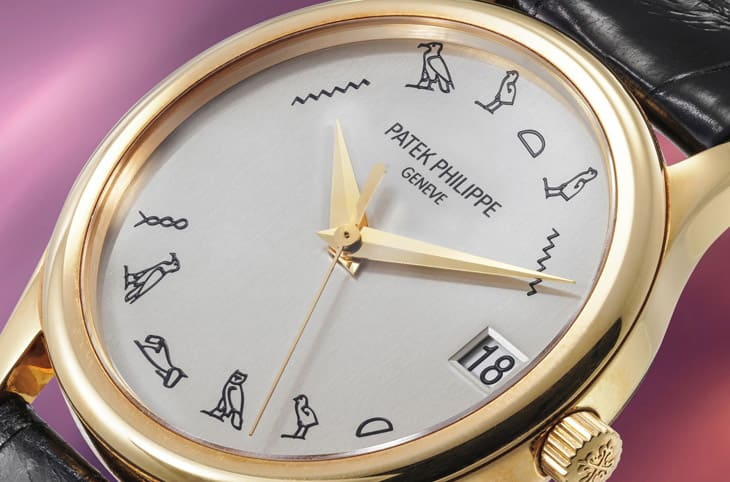
Für den anspruchsvollen Käufer , der Erlebnisse sucht, ist eine Uhr längst nicht mehr nur ein Gebrauchsgegenstand. Sie ist ein Kunstwerk, ein Stück Geschichte, eine Erzählung. Im Jahr 2026 wird die Nachfrage nach Uhren mit nachweisbarer Herkunft, Seltenheit und außergewöhnlicher Handwerkskunst (z. B. von unabhängigen Designern wie FP Journe, frühen Serien von Patek Philippe und Konzeptuhren von Audemars Piguet) deutlich steigen.
-
Für preisbewusste Uhrenliebhaber ist der Gebrauchtuhrenmarkt angesichts der stetig steigenden Einzelhandelspreise großer Marken die einzig sinnvolle Einstiegsmöglichkeit. Die Nachfrage nach ikonischen, aber nicht mehr produzierten fünfstelligen Rolex-Modellen, Neo-Vintage-Uhren von Jaeger-LeCoultre und den begehrten Grand Seiko-Modellen wird nicht aufgrund von Hype, sondern aufgrund ihres hervorragenden Preis-Leistungs-Verhältnisses weiter steigen.
Zusammenfassend lässt sich sagen, dass das makroökonomische Umfeld im Jahr 2026 keine einheitliche, monolithische Kraft darstellt. Es ist vielmehr ein komplexes Zusammenspiel von Faktoren, das zwei Käufertypen und damit auch zwei Segmente des Marktes für gebrauchte Uhren deutlich begünstigen wird: die ultra-exklusiven und die preislich attraktiven.
Der Marktindex: Datengestützte Anzeichen einer rationalen Erholung
Nachdem wir die makroökonomischen Einflussfaktoren analysiert haben, wenden wir uns nun den harten Fakten zu. Der WatchCharts Market Index , der die Preise der 60 meistgehandelten Luxusuhren auf dem Gebrauchtmarkt abbildet, dient uns als wichtigster Indikator. Die Daten ab 2025 zeigen keinen Markt, der spekulative Höchststände wieder erreicht; vielmehr zeichnen sie ein ermutigenderes Bild: den Beginn einer gesunden und rationalen Erholung, die unsere vorsichtig optimistische Prognose für 2026 bestätigt.
Der Einjahrestrend: Die Anatomie einer gesunden Erholung

Die Beobachtung des WatchCharts-Index im Jahr 2025 zeigt eine Geschichte stiller, aber stetiger Stärke. Nachdem der Markt Ende 2024 und Anfang 2025 einen deutlichen Boden gefunden hatte, begann er im Laufe des Jahres einen kontinuierlichen, allmählichen Aufwärtstrend. Die Art dieses Wachstums ist dabei wichtiger als sein Ausmaß.
-
Das Ende der Korrektur: Die Stabilisierung des Index im ersten Quartal 2025 markierte das endgültige Ende des 24-monatigen Abwärtstrends, der Mitte 2022 begonnen hatte. Damit wurde ein neuer, solider Preisboden geschaffen, der auf echter Nachfrage und nicht auf spekulativer Übertreibung beruhte.
-
Organisches Wachstum statt Spekulation: Entscheidend ist, dass die Grafik für 2025 die heftigen, parabolischen Ausschläge der Blase von 2021/22 vermissen lässt. Dieser stetige Anstieg zeugt von organischem Wachstum. Er spiegelt die Rückkehr der passionierten und preisbewussten Käufer wider – genau jener Konsumenten, die durch die sinkenden Zinsen und den angespannten Einzelhandelsmarkt, den wir in Teil 2 besprochen haben, gestärkt wurden. Dieses Wachstum wird von Leidenschaft und einem ausgewogenen Preis-Leistungs-Verhältnis angetrieben, nicht von der Angst, etwas zu verpassen (FOMO).
Die Fünfjahresperspektive: Eine entscheidende Lektion in Demut

Ein Blick auf die Fünfjahresübersicht liefert wichtige Zusammenhänge und dämpft jeglichen übertriebenen Optimismus. Wie Sie richtig festgestellt haben, liegen die aktuellen Indexwerte trotz der positiven Entwicklung bis 2025 weiterhin deutlich unter dem nicht nachhaltigen Höchststand von Anfang 2022.
Dies ist kein Zeichen von Schwäche, sondern von Marktreife. Der Höchststand von 2022 war eine Anomalie – ein unvorhergesehenes Ereignis, ausgelöst durch Konjunkturhilfen, Kryptowährungen und einen weltweiten Lockdown. Ein Markt, der sich von diesem Niveau erholt hat und nun deutlich unterhalb dieses Höchststands stabilisiert, ist fundamental gesünder. Dies zeigt, dass sich die Preise wieder an Faktoren des inneren Wertes orientieren: Markentradition, Qualität des Uhrwerks, Seltenheit und Zustand.
-
Unsere Prognose für 2026 basierend auf Indexdaten: Der Markt hat sich von rein spekulativen Akteuren befreit. Wir gehen davon aus, dass der WatchCharts-Index seinen stetigen Aufwärtstrend im Jahr 2026 fortsetzen wird. Eine Rückkehr zum Höchststand von 2022 ist nicht zu erwarten. Stattdessen wird das Wachstum robuster und nachhaltiger ausfallen und Sammler belohnen, die uhrmacherischen Wert über den Hype in den sozialen Medien stellen. Der Markt ist kein Casino mehr, sondern wieder ein Marktplatz für Kenner.
Ein Sammlerkompass für 2026
In einem Markt, der von rationaler Erholung und dem Streben nach Qualität geprägt ist, erfordert die Orientierung mehr als nur Kapital; sie bedarf eines Kompasses, der sich an echtem Wert orientiert. Die Zeiten, in denen man einfach alles kaufen und auf Wertsteigerung hoffen konnte, sind endgültig vorbei. Der Erfolg im Jahr 2026 liegt darin, die differenzierte Segmentierung innerhalb der Marken zu verstehen und jene Uhren mit besonderer Bedeutung zu identifizieren, deren Wertversprechen sich stetig verbessern.
Die drei Großen: Eine sich vertiefende Schichtung

Die Marktkorrektur hat nicht alle Modelle der „Heiligen Dreifaltigkeit“ und von Rolex gleichermaßen behandelt. Sie hat als wichtiger Filter gewirkt und kurzfristigen Hype von dauerhaftem Wert getrennt. Diese Polarisierung ist der mit Abstand wichtigste Trend, den Sammler verstehen sollten.
-
Rolex: Der entscheidende Unterschied liegt zwischen den allgegenwärtigen modernen Referenzen und den klassischen oder nicht mehr produzierten Modellen. Der Marktpreis für eine Standard -GMT-Master II (Ref. 126710BLRO) mit Oyster-Armband liegt zwar immer noch über dem Einzelhandelspreis, hat sich aber aufgrund der gestiegenen Verfügbarkeit und des nachlassenden Hypes etwas abgeschwächt. Ganz anders hingegen die klassische Day-Date 36 in Gelbgold (z. B. Ref. 18238): Sie hat eine bemerkenswerte Preisstabilität und ein wiedererwachtes Sammlerinteresse gezeigt. Ihr Materialwert (Edelmetall), ihr zeitloses Design und ihr im Vergleich zu den hochgelobten Stahlmodellen erschwinglicherer Preis machen sie zu einem Paradebeispiel für die Rückbesinnung des Marktes auf klassische, greifbare Werte.
-
Patek Philippe: Die Kluft zwischen Trendmodellen und Haute Horlogerie hat sich dramatisch vergrößert. Die Einsteigeruhr Aquanaut (Ref. 5167A) , einst ein Symbol des Booms, hat auf dem Gebrauchtmarkt deutlich an Wert verloren, da sich die Käufer zurückgezogen haben. Im Gegensatz dazu ist der Wert von Pateks komplizierten Meisterwerken, wie dem Ewigen Kalender-Chronographen (Ref. 5270) , außergewöhnlich stabil geblieben. Diese Uhren werden von Sammlern der Spitzenklasse erworben, deren Nachfrage von allgemeinen Marktschwankungen unberührt bleibt. Dies bestärkt die Annahme, dass wahre Uhrmacherkunst die ultimative Wertanlage darstellt.
-
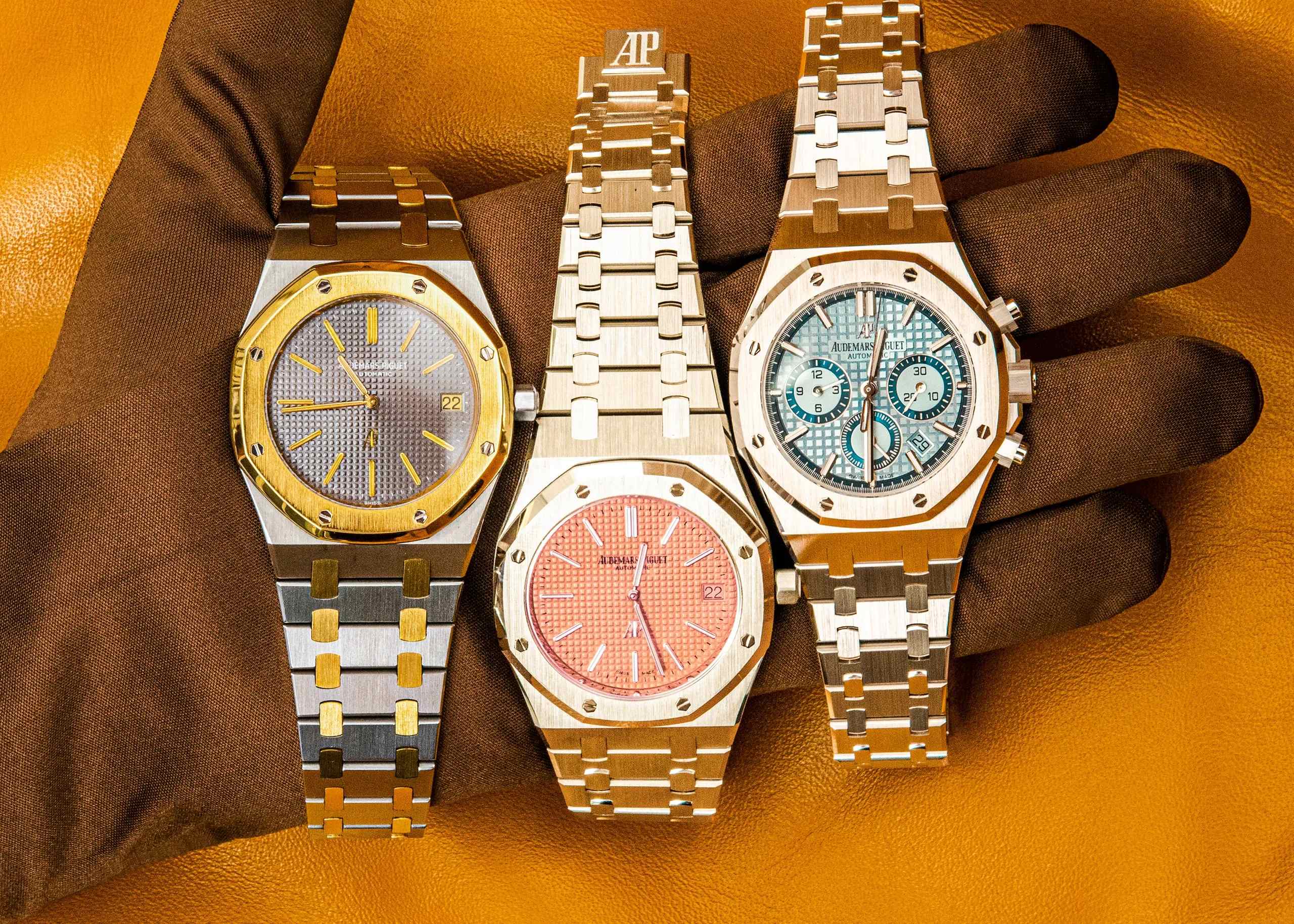
Audemars Piguet: Die Royal Oak-Familie liefert ein Paradebeispiel. Die Standard- Royal Oak Automatik 41 mm (Ref. 15510ST) erlebte nach ihrem spekulativen Höchststand einen deutlichen Preisrückgang. Sie ist eine fantastische Uhr, aber ihr Wert wurde durch übertriebene Erwartungen überbewertet. Der Wert der Royal Oak „Jumbo“ Extra-Thin (Ref. 16202ST) hingegen ist nach wie vor außergewöhnlich stabil. Sammler unterscheiden klar zwischen der „Jumbo“ – dem direkten Nachfolger von Gentas Original aus dem Jahr 1972 – und den übrigen Modellen der Kollektion. Ihre historische Bedeutung und ihre perfekten Proportionen verleihen ihr einen begehrten Status, der Marktschwankungen trotzt.
Unabhängige und Neo-Vintage-Empfehlungen für den anspruchsvollen Sammler

Mit der Marktrationalisierung eröffnen sich außergewöhnliche Chancen für diejenigen, die bereit sind, über den Tellerrand hinauszuschauen. Wir stellen Ihnen drei Produkte vor, die unserer Meinung nach für 2026 hervorragend positioniert sind.
-
A. Lange & Söhne Datograph (Erste Generation, Ref. 403.035): Weithin gilt er als einer der feinsten und schönsten Chronographen, die je geschaffen wurden. Seine uhrmacherische Bedeutung wird derzeit von einem Markt neu bewertet, der sich auf die Grundlagen besinnt. Untergebracht in einem perfekt proportionierten 39-mm-Platingehäuse, repräsentiert er die Spitze deutscher Uhrmacherkunst und bietet einen überzeugenden Wert, da Sammler seine Kunstfertigkeit wiederentdecken.
-
FP Journe Chronomètre Bleu: Eine moderne Ikone, die ein einzigartiges Tantalgehäuse mit einem erlesenen Manufakturwerk aus 18-karätigem Roségold vereint und einen erschwinglicheren Einstieg in die Welt eines lebenden Meisters ermöglicht. Da die Produktion nun eingestellt wurde, bieten die begrenzte Stückzahl und die treue Sammlergemeinde eine solide Grundlage für langfristige Wertsteigerung – unabhängig von den volatileren Auktionsfavoriten der Marke.
-
Vacheron Constantin Overseas (Zweite Generation, Ref. 47040): Ein unverwechselbares Design mit integriertem Armband aus der „Heiligen Dreifaltigkeit“ – ein Modell, das höchsten Wert und uhrmacherische Tradition vereint. Während die Preise für das Nachfolgemodell (3. Generation) und die Konkurrenzmodelle von Patek Philippe und Audemars Piguet weiterhin hoch sind, besticht die 47040 durch ihre markante Ästhetik, robuste Verarbeitung und einen Preis, der zunehmend als unschlagbar gilt. Sie ist die erste Wahl für Kenner, die Wert auf ein gutes Preis-Leistungs-Verhältnis im Segment der Luxus-Sportuhren legen.
Kaufe, was du liebst, aber liebe klüger.
Während wir uns durch die Strömungen des Jahres 2026 bewegen, hat sich der spekulative Nebel, der den Markt einst verhüllte, gelichtet und gibt den Blick frei auf eine Landschaft, die nicht von Volatilität, sondern von Wert bestimmt wird; weniger von Imponiergehabe, mehr von Gefühl. Diese Klarheit führt uns zurück zur ältesten und beständigsten Weisheit in der Welt der Uhrensammler: Kaufe, was du liebst.
Die Lehren der letzten fünf Jahre zwingen uns jedoch, einen entscheidenden, modernen Zusatz hinzuzufügen: Liebe klüger.
„Intelligenter lieben“ bedeutet, die Leidenschaft als Antrieb zu nutzen, aber Daten als Steuerrad. Es bedeutet zu erkennen, dass die emotionale Faszination einer Uhr nicht geschmälert, sondern im Gegenteil verstärkt wird, wenn man weiß, dass man sie zu einem fairen Marktpreis erworben hat. Es bedeutet zu verstehen, dass wahrer Luxus nicht in einem Hype oder einem Instagram-Feed zu finden ist, sondern in der mechanischen Integrität eines Uhrwerks, der Herkunft einer Referenz und der Handwerkskunst eines Gehäuses.
Die gesamtwirtschaftlichen Rahmenbedingungen verbessern sich zu unseren Gunsten. Die Zinsen sinken, die überteuerten Aufschläge sind verschwunden, und der Markt ist gereift. Die Chance, Uhren von wahrer uhrmacherischer Bedeutung zu erwerben – sei es ein Neo-Vintage-Schatz oder ein modernes Meisterwerk eines unabhängigen Designers – ist heute größer als seit fünf Jahren.
Verlieben Sie sich also in dieses Zifferblatt, seine Geschichte, dieses tickende Herz an Ihrem Handgelenk. Aber tun Sie es mit der Sicherheit eines Kenners. Kaufen Sie mit dem Herzen, ja – aber nehmen Sie Ihren Verstand mit auf diese Reise. Das ist die Definition des modernen Sammlers im Jahr 2026.


Aktie:
Die richtige Uhrenpflege: So verlängern Sie die Lebensdauer Ihrer wertvollen Uhr
Die große Ruhe: Wie Rationalität und Markenmacht den europäischen Uhrenmarkt im Jahr 2025 neu gestaltet haben