
Wenn man den europäischen Uhrenmarkt im Jahr 2025 mit einem Wort beschreiben müsste, wäre es „Zweiteilung“. Die vergangenen zwölf Monate haben eine große Divergenz offenbart, die Geschichte zweier grundverschiedener Realitäten, die in der europäischen Uhrenlandschaft nebeneinander existieren. In diesem Jahr legte sich die spekulative Euphorie nach der Pandemie endgültig und machte Platz für ein nüchterneres, anspruchsvolleres und letztlich gesünderes Umfeld für wahre Uhrenliebhaber.
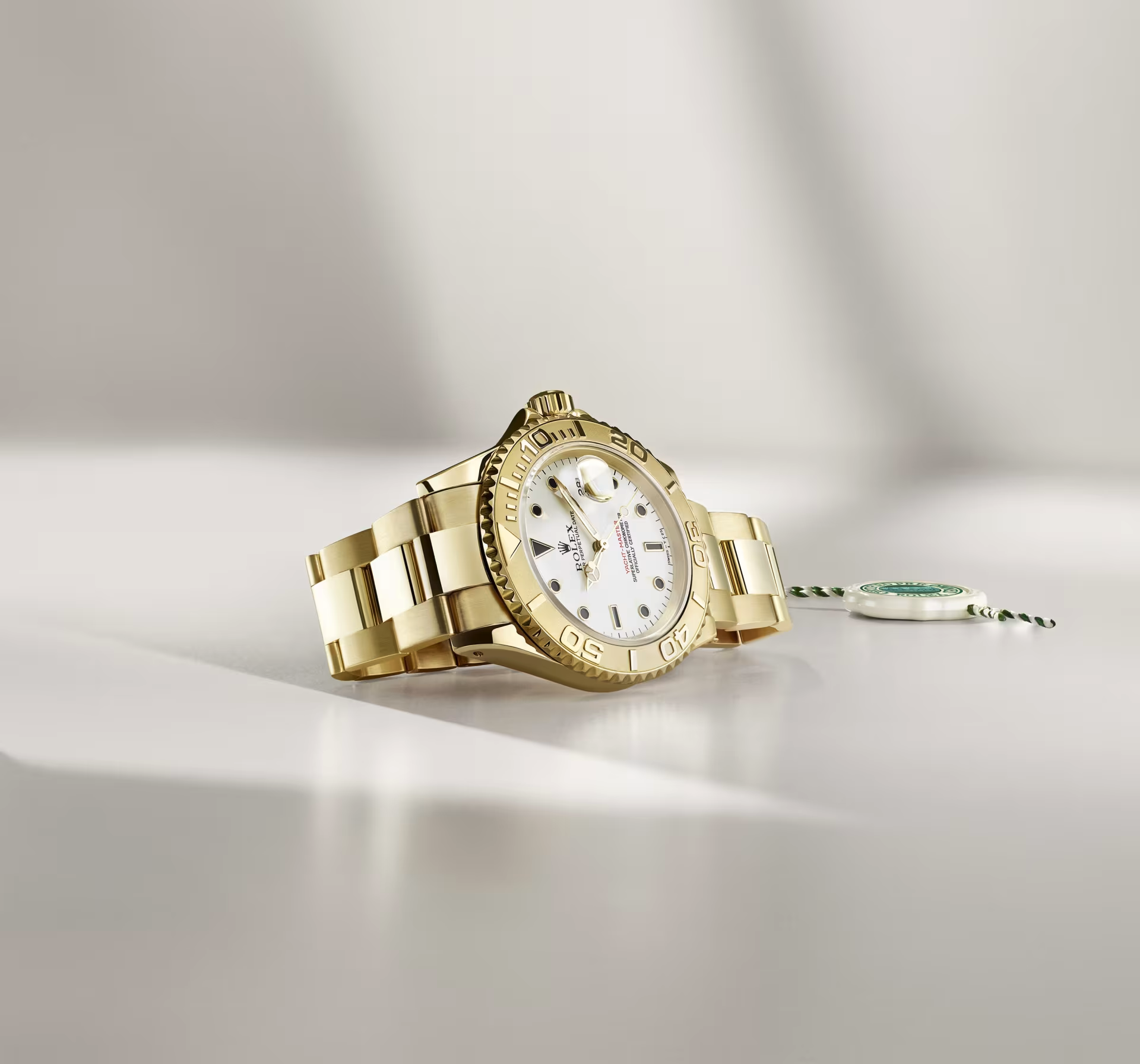
Auf der einen Seite dieses Spektrums standen die Giganten der Uhrenindustrie – die in Privatbesitz befindlichen Marken Rolex , Patek Philippe , Audemars Piguet und Richard Mille. Geschützt durch ihren unvergleichlichen Markenwert, erzielten sie weiterhin hohe Umsätze und bewältigten berühmt lange Wartelisten. Ihr Selbstvertrauen wurde durch eine weitere Runde von Preiserhöhungen im Einzelhandel unterstrichen, die im Durchschnitt zwischen 5 und 7 % lagen – ein Schritt, der angesichts der ungebrochen hohen Nachfrage bei den autorisierten Händlern kaum ins Gewicht fiel.

Auf der anderen Seite bot sich ein völlig anderes Bild. Viele etablierte Luxusmarken, insbesondere jene börsennotierter Konzerne wie der Swatch Group (deren Umsatz um fast 15 % zurückging) , gerieten in eine schwierige Lage. Gefangen zwischen ihren eigenen deutlichen Preiserhöhungen und einer informierteren Kundschaft, die sich aufgrund des günstigeren Preises dem Gebrauchtwarenmarkt zuwandte, herrschte in ihren Verkaufsräumen eine spürbare Abkühlung.
Diese Hinwendung zum Gebrauchtmarkt wurde zum zentralen Thema des Jahres. Während die Verkaufspreise der begehrtesten Modelle weiter stiegen, erfuhr der Gebrauchtmarkt selbst eine dringend notwendige und mitunter scharfe, rationale Neuausrichtung. Die spekulative Übertreibung, die den Höhepunkt der Jahre 2021/22 geprägt hatte, verflüchtigte sich und führte zu einer deutlichen Marktkorrektur, insbesondere bei Modellen der Mittelklasse und überbewerteten Referenzen. Diese Abkühlung war kein Crash, sondern eine Rückkehr zu den fundamentalen Gegebenheiten, angetrieben von einer wachsenden „Hype-Müdigkeit“ unter erfahrenen europäischen Sammlern. Im Wesentlichen war 2025 das Jahr, in dem sich der spekulative Investor zurückzog und der anspruchsvolle Kenner in den Vordergrund trat.
Die Zahlen im Überblick: Europas Leistung im Jahr 2025 entschlüsselt
Um die Dynamik des europäischen Marktes im Jahr 2025 wirklich zu verstehen, müssen wir über die Schlagzeilen hinausblicken und uns die Daten ansehen. Zwar vermitteln hochrangige Berichte, wie etwa jene, die den europäischen Uhren- und Schmucksektor auf ein geschätztes Volumen von 606,8 Milliarden US-Dollar prognostizieren, einen Eindruck von den Größenordnungen, doch die eigentliche Erkenntnis für Sammler liegt in den Feinheiten der Entwicklung des Gebrauchtmarktes. Die Zahlen des vergangenen Jahres erzählen nicht nur von Preisänderungen, sondern zeugen von einem grundlegenden Wandel in der Marktpsychologie.

Die Indexperspektive: Ein gespaltener Markt
Würde man den Sekundärmarkt des Jahres 2025 als Aktienindex darstellen, ergäbe sich ein moderater Gesamtrückgang – etwa -8 % im Jahresverlauf. Diese einzelne Zahl verschleiert jedoch eine dramatische interne Divergenz. Der Markt bewegte sich nicht als einheitliche Einheit, sondern zersplitterte.
-
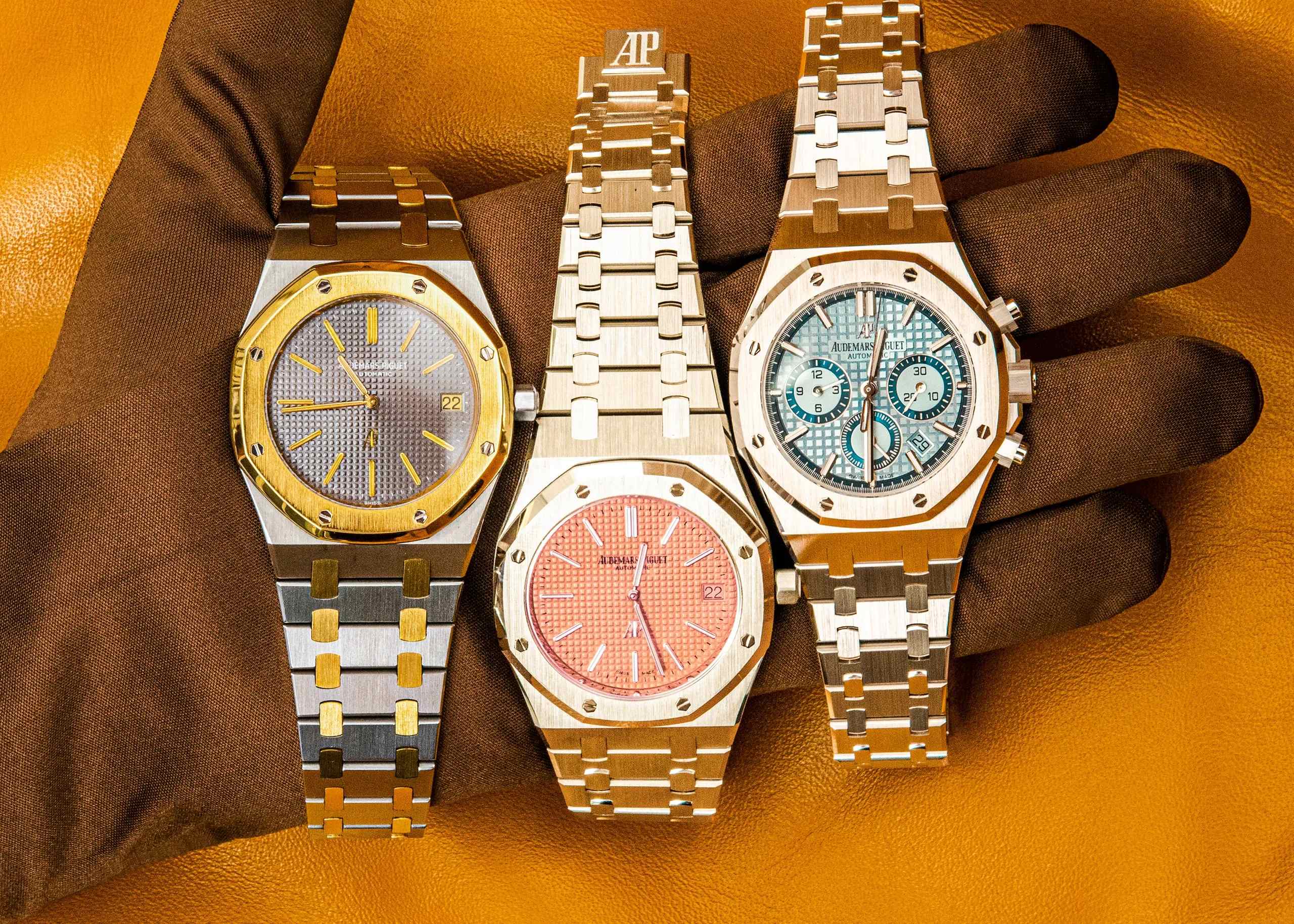
Die Korrektur des „Hypes“: Die Segmente, die während des Booms 2021/22 am stärksten überbewertet waren, erlebten die deutlichste Korrektur. Die üblichen Verdächtigen – Rolex-Profimodelle aus Edelstahl (wie die GMT-Master II und die Submariner ), die Basisversion der Audemars Piguet Royal Oak (15510ST) und die Patek Philippe Nautilus (ab der 5711) – verzeichneten einen starken Rückgang ihrer Aufschläge auf dem Gebrauchtmarkt, wobei die Preise um 15–20 % gegenüber ihren Allzeithochs fielen. Dies war kein Wertverfall, sondern eine notwendige Dämpfung der Spekulationsblase, die die Preise wieder auf ein Niveau zurückführte, das eher von Leidenschaft als von kurzfristigem Gewinn bestimmt wird.
-
Die Widerstandsfähigkeit des Kenners: Im krassen Gegensatz dazu zeigten mehrere Schlüsselbereiche eine bemerkenswerte Stabilität, was die alte Weisheit bestätigt, dass wahre Qualität ihren Wert behält.
-
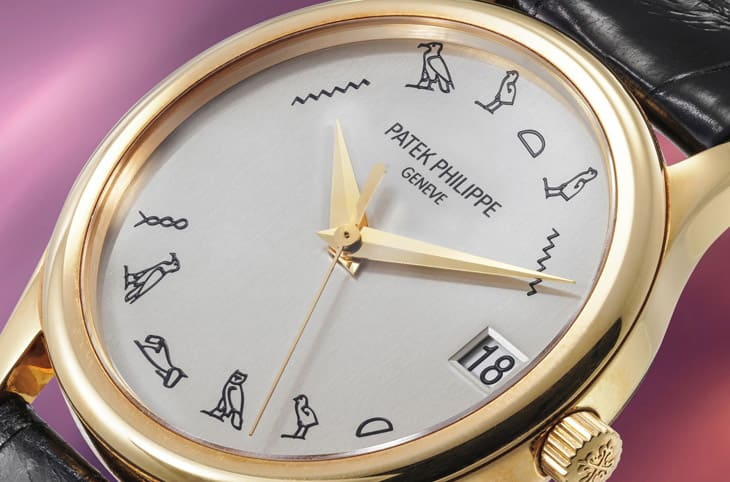
Hochwertige Luxusuhren: Modelle von Patek Philippe, A. Lange & Söhne und Vacheron Constantin mit ewigem Kalender, Chronographen und anderen Komplikationen blieben äußerst begehrt. Ihre Preise waren weitgehend stabil und schwankten innerhalb einer geringen Bandbreite von +/- 2 % .
-
Unabhängige Ikonen: Die Nachfrage nach Meisterwerken unabhängiger Designer wie FP Journe, Kari Voutilainen und De Bethune stieg. Dank limitierter Produktion und einer treuen Anhängerschaft operieren diese Uhren in einer eigenen Mikroökonomie, oft unempfindlich gegenüber allgemeinen Marktschwankungen.
-
Der „Neo-Vintage“-Trend : Uhren aus den 1990er- und frühen 2000er-Jahren – oft die erste Generation moderner Klassiker – rückten in den Fokus anspruchsvoller Sammler. Diese Stücke bieten die perfekte Mischung aus moderner Zuverlässigkeit und Vintage-Charme und erfuhren eine stetige, wenn auch bescheidene Wertsteigerung.
Eine Geschichte über Schlüsselstädte: London, Paris und Genf

Die kontinentweiten Trends manifestierten sich in den wichtigsten europäischen Uhrenzentren unterschiedlich, von denen jedes seine eigene, einzigartige wirtschaftliche und kulturelle Identität besitzt.
London: Eine Geschichte lokaler Widerstandsfähigkeit
-
Der Londoner Markt sah sich 2025 erheblichen Herausforderungen gegenüber. Das anhaltende Fehlen der Mehrwertsteuerbefreiung für Touristen lenkte unbestreitbar einen Teil der hochkarätigen internationalen Verkäufe in Konkurrenzstädte wie Paris und Mailand. Dies führte zu einem schwächeren Markt für kurzfristige, touristisch motivierte Käufe. Londons tief verwurzelte und hochqualifizierte einheimische Sammlerbasis erwies sich jedoch als Anker. Die Auktionshäuser der Stadt ( Phillips , Sotheby ’s) und renommierte Antiquitätenhändler in Vierteln wie der Burlington Arcade berichteten von regem, wenn auch überlegterem Bieten britischer Kunden. Der Fokus verlagerte sich von „angesagten“ Modellen hin zu Stücken mit Provenienz, Seltenheit und historischer Bedeutung, was Londons Status als Zentrum für anspruchsvolles, wissensbasiertes Sammeln untermauerte.
Paris: Die Hauptstadt des Markenerlebnisses
-
Paris florierte 2025 dank seiner Stärken: unvergleichliches Markenprestige und ein florierender Tourismussektor. Als globale Luxushauptstadt ist allein der Kauf einer Uhr auf der Place Vendôme ein starkes Erlebnis. Marken wie Cartier , deren Modelle Santos und Tank weiterhin als Stilikonen gelten, verzeichneten starke Umsätze. Der Pariser Gebrauchtuhrenmarkt spiegelte diesen Trend wider, mit einer hohen Nachfrage nach eleganten Uhren und designorientierten Klassikern. Obwohl der Trend zu hypermaskulinen Sportuhren weniger stark ausgeprägt war, bekräftigte Paris seine Bedeutung als Markt, auf dem Markenbotschaft und ästhetische Eleganz im Vordergrund stehen.
Genf: Der Branchenführer
-
Als spirituelle Wiege der Uhrmacherkunst wird Genfs Entwicklung stets mit größter Aufmerksamkeit verfolgt. Im Jahr 2025 fungierte die Stadt als Barometer der Branche und spiegelte die neue, besonnene Stimmung wider. Die großen Frühjahrs- und Herbstauktionen erzielten zwar weiterhin spektakuläre Ergebnisse für extrem seltene Stücke, waren aber von rationaleren Geboten geprägt. Die Schätzpreise fielen konservativer aus, und weniger Lose übertrafen die Erwartungen deutlich. Diese „Rückkehr zur Normalität“ war ein positives Zeichen und deutete darauf hin, dass die Bieter auf langfristigen Wert und nicht auf kurzfristige Gewinne aus waren. Da das Rolex Certified Pre-Owned-Programm in seinem Heimatmarkt immer mehr an Bedeutung gewann, begann Genf zudem, Maßstäbe dafür zu setzen, wie die Branche selbst die Zukunft des Gebrauchtuhrenmarktes gestalten wird.
Die Geschichten, die die Szene prägten
Die Daten bilden das Gerüst, doch die prägenden Momente des Jahres 2025 verleihen unserer Geschichte Herz und Seele. Es handelte sich nicht um vereinzelte Ereignisse, sondern um Symptome eines tiefgreifenden Wandels des Marktes. Von der Stille in den Genfer Auktionssälen bis hin zu den strategischen Schachzügen der größten Akteure der Branche – dies sind die Geschichten, die das Jahr geprägt haben.
Die „nüchternen“ Auktionen von Genf

Der Auktionssaal war schon immer der sichtbarste Puls des Marktes, und auch 2025 war dieser Puls zwar stabil und stark, aber merklich ruhiger. Genfs wegweisende Auktionen, veranstaltet von Häusern wie Phillips in Zusammenarbeit mit Bacs & Russo und Christie's, erzielten weiterhin beeindruckende Ergebnisse und brachten oft in einer einzigen Veranstaltung zweistellige Millionenbeträge ein. So waren beispielsweise Auktionen, die an den Erfolg vergangener Auktionen mit Gesamterlösen von über 21 Millionen Dollar anknüpften , keine Seltenheit.
Die eigentliche Geschichte lag jedoch nicht in den reinen Zahlen, sondern in der Dynamik der Gebote. Das hektische, um jeden Preis erfolgende Bieten auf gängige Modelle, das die Vorjahre geprägt hatte, war verschwunden. An seine Stelle trat ein differenzierteres und fundierteres Vorgehen. Es ließen sich zwei deutliche Leistungsniveaus erkennen:
-
Prunkstücke: Wahrlich außergewöhnliche Uhren mit einwandfreier Provenienz, historischer Bedeutung oder extremer Seltenheit – wie etwa makellose Patek Philippe Referenz 2499 oder frühe Rolex „Paul Newman“ Daytonas – erzielten weiterhin heftige Gebote und Weltrekordpreise. Dies bestätigte, dass das Luxussegment des Marktes so stark wie nie zuvor ist.
-
Rationalität im mittleren Preissegment: Bei den gängigeren Vintage- und modernen Stücken verliefen die Gebote spürbar überlegter. Die Bieter waren gut informiert, hielten sich an ihre Preislimits und ließen Lose, deren Wert nicht stimmte, zum oder nahe dem unteren Schätzpreis verkaufen. Der Auktionssaal von 2025 glich weniger einem Goldrausch der Spekulanten als vielmehr einem Schachspiel der Kenner.
Die Renaissance der körperlichen Erfahrung

Als starke Gegenbewegung zu Jahren des digitalen Handels markierte 2025 die endgültige Rückkehr des physischen, greifbaren Uhrenerlebnisses. Nach dem großen Spektakel der Watches and Wonders in Genf erfasste eine Welle intimerer, gemeinschaftsorientierter Veranstaltungen den Kontinent. Sammlervereinigungen wie RedBar verzeichneten einen starken Anstieg der Teilnehmerzahlen bei ihren europäischen Treffen und entwickelten sich von Nischenveranstaltungen zu wichtigen Zentren für den Wissensaustausch.
Marken haben diesen Trend klug genutzt. Anstatt sich ausschließlich auf digitale Kampagnen zu verlassen, investierten sie in die Schaffung physischer Kontaktpunkte:
-
Private Dinner & Salon Events: Marken veranstalteten zunehmend Dinner im kleinen Rahmen und private Vorführungen für ihre wichtigsten Kunden und boten ihnen so direkten Zugang zu Uhrmachern und Führungskräften.
-
Erlebnisboutiquen: Das „AP House“-Modell, das Verkaufsfläche und gemütliche Lounge vereint, wurde zum Branchenstandard, und andere Marken entwickelten ihre eigenen Versionen. Diese Räume sind für Gespräche und Entdeckungen konzipiert, nicht nur für schnelle Transaktionen. Dieser Wandel spiegelte den gemeinsamen Wunsch wider, sich wieder auf die Essenz des Hobbys zu besinnen – die Freude am Umgang mit einer Uhr, am Austausch von Geschichten und am persönlichen Lernen von Gleichgesinnten.
Strategische Schritte von Marken auf europäischem Boden

Die bedeutendsten langfristigen Entwicklungen des Jahres waren die strategischen Manöver der Marken selbst. Sie gaben sich nicht länger damit zufrieden, das chaotische Treiben auf dem Gebrauchtmarkt nur zu beobachten, sondern begannen, die Spielregeln in Europa aktiv mitzugestalten.
Der einschneidendste Schritt war die aggressive Expansion des Rolex Certified Pre-Owned (CPO)-Programms . Durch die Einführung des Programms über große Handelspartner wie Bucherer und Watches of Switzerland in wichtigen europäischen Städten sendete Rolex ein klares Signal: Das Unternehmen will seinen eigenen Gebrauchtwarenmarkt kontrollieren, legitimieren und davon profitieren. Dieser Schritt soll die Preise stabilisieren, die Echtheit garantieren und vor allem unentschlossene Kunden zurück in das offizielle Markenökosystem führen.
Gleichzeitig setzten andere Marken ihren Kurs der vertikalen Integration fort . Audemars Piguet reduzierte seine Abhängigkeit von Drittanbietern weiter und wickelte die Zuteilungen über die eigenen AP-Häuser ab, um die Kundenbeziehung zu optimieren. Unabhängige Marken wie FP Journe verstärkten ebenfalls ihr Boutique-orientiertes Modell, verstärkten die Exklusivität und pflegten eine direkte Verbindung zu ihren Anhängern. Dies waren nicht nur Geschäftsentscheidungen; sie stellten eine grundlegende Neuausrichtung des Vertriebs von Luxusuhren dar und reagierten direkt auf die Herausforderungen und Chancen des turbulenten Marktes der letzten Jahre.
Der Anbruch einer neuen Ära der Unterscheidung: Was liegt vor uns?
Das Jahr 2025 war kein Börsencrash, sondern eine Marktkorrektur. Die spekulative Euphorie des Booms nach der Pandemie ist vorbei, hinweggespült von einer wohltuenden Welle der Vernunft. Die Ära der schnellen Gewinne ist beendet, doch für wahre Börsenenthusiasten hat die lukrativste Zeit gerade erst begonnen.
Diese neue Landschaft ist durch einen grundlegenden Machtwechsel geprägt. Auf der einen Seite haben die Marken selbst die Zügel in die Hand genommen, um den unregulierten Markt zu zähmen. Die Erweiterung des Rolex Certified Pre-Owned Programms signalisiert eine neue Ordnung, in der Authentizität garantiert und extreme Preisschwankungen eingedämmt werden. Nicht mehr der Graumarkt, sondern die Marken bestimmen nun den Wert der Uhren.
Auf der anderen Seite steht der informierte Sammler. Da der Hype nicht mehr die Oberhand gewinnt, sind Wissen, Geschmack und echte Wertschätzung für Handwerkskunst wieder die wertvollsten Güter. Der Fokus hat sich richtigerweise von flüchtigen Trends hin zu beständiger Qualität verlagert – von sportlichen Edelstahlmodellen über die Meisterwerke unabhängiger Kunsthandwerker bis hin zu den übersehenen Schätzen in Markenkatalogen.
Für Sammler, die sich auf das kommende Jahr vorbereiten, ist das Mandat einfach:
-
Kauf die Geschichte, nicht den Börsenkurs. Konzentriere dich auf Produkte mit Tradition und Bedeutung für dich.
-
Wissen ist wichtiger als Lärm. Ihr Verständnis der Uhrmacherei ist jetzt Ihr größtes Kapital.
-
Setzen Sie auf Qualität, die von innen heraus entsteht. Wahrer Wert liegt in der Handwerkskunst, nicht im Marketing-Hype.
Der Markt ist nicht zusammengebrochen; er ist einfach erwachsener geworden. Und für den echten Enthusiasten ist das die beste Nachricht überhaupt.


Aktie:
Von der Stabilisierung zur Erholung: Ein Marktüberblick 2025 und eine strategische Prognose für 2026
Die große Neuausrichtung: Eine datengestützte Analyse der tatsächlichen Marktauswirkungen des Rolex CPO