
Jenseits des Hypes: Erwartung und Realität trennen
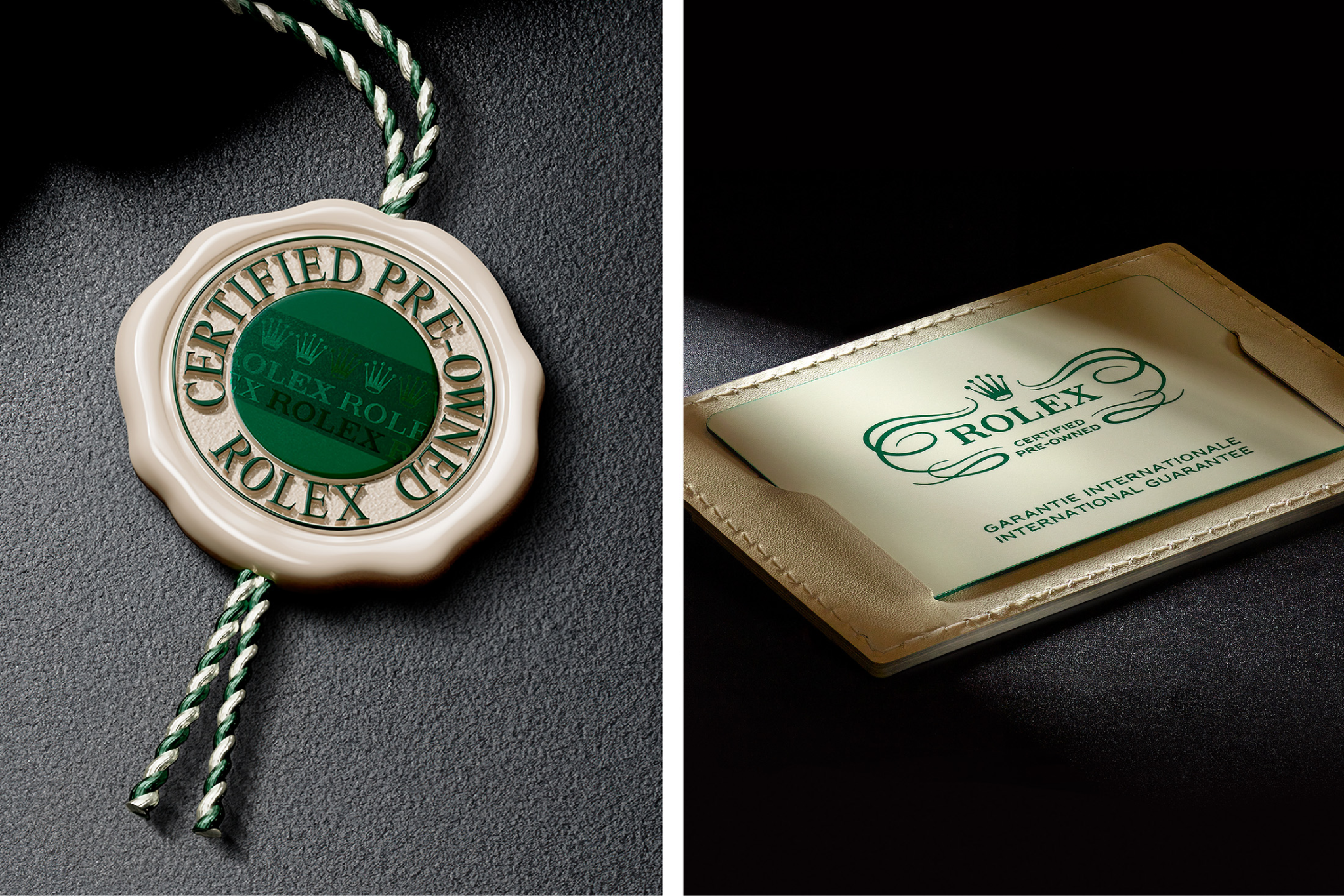
Als Rolex mit seinem Certified Pre-Owned (CPO)-Programm offiziell in den Gebrauchtuhrenmarkt einstieg, schlug dies in der gesamten Branche wie ein Donnerschlag ein. Sammler und Experten waren sich einig: Die Krone unternahm den ultimativen Schritt, um ihre Zukunft selbst in die Hand zu nehmen. Man erwartete, dass dies ein strategischer Schachzug sein würde, um einen unanfechtbaren Preisuntergrund zu etablieren, den florierenden Graumarkt zu zähmen und die Dominanz von Rolex für eine neue Generation zu festigen. Es wurde als die ultimative Intervention inszeniert.
Zwei Jahre nach Beginn dieses groß angelegten Experiments zeichnen die Daten ein anderes, weitaus differenzierteres Bild. Das CPO-Programm hat sich nicht als Wundermittel erwiesen, um die Spekulationsblase von 2022 wieder aufzublähen. Vielmehr hat es als wirksames Instrument der Marktstratifizierung und als Katalysator für eine umfassendere Neuausrichtung gewirkt. Während das Programm selbst zu einer beachtlichen Wirtschaftskraft herangewachsen ist – und auf dem besten Weg ist, ein Unternehmen mit einem Umsatz von einer halben Milliarde Dollar zu werden –, fiel sein Bestehen mit einem anhaltenden, wenn auch geordneteren, Rückgang der Preise für Rolex-Uhren auf dem Gebrauchtmarkt und einem überraschenden Einbruch des einst unangefochtenen Marktanteils der Marke zusammen.
In dieser Analyse werden wir die Fakten ausblenden und die quantitativen Daten untersuchen. Wir beleuchten das explosive Wachstum des CPO-Programms, stellen es der ernüchternden Realität der Marktpreisindizes gegenüber und entschlüsseln, was diese scheinbar widersprüchlichen Trends für die Marke, die Händler und vor allem die Sammler bedeuten. Die Geschichte des Rolex CPO-Programms ist keine bloße Marktbeherrschung, sondern die Geschichte eines wachsenden Marktes.
Eine neu definierte Landschaft: Der Sekundärmarkt nach dem Hype
Um die konkreten Auswirkungen des Rolex CPO-Programms zu verstehen, müssen wir zunächst die übergeordneten Marktentwicklungen betrachten. Der heutige Gebrauchtuhrenmarkt unterscheidet sich grundlegend von dem spekulativen Höhepunkt im Jahr 2022. Er ist geprägt von Preisrationalisierung, einer veränderten Markendynamik und einem neuen, einflussreichen offiziellen Akteur. Die Daten offenbaren drei zentrale Erkenntnisse über diese neue Ära.
Die große Korrektur: Eine Rückkehr zu rationaler Preisgestaltung

Das prägendste Merkmal des aktuellen Marktes ist die anhaltende Preisabkühlung. Weit entfernt vom unaufhaltsamen Aufwärtstrend der Pandemiezeit befindet sich der Markt nun in einer Korrekturphase. Laut umfassenden Marktdaten von Plattformen wie WatchCharts ist der Preisindex für gebrauchte Rolex-Uhren in den letzten zwei Jahren um etwa 11,8 % gesunken . Dieser Trend setzte sich bis 2024 fort, mit einem weiteren Rückgang von 5,7 % allein in diesem Jahr.
Dieser Datenpunkt ist entscheidend. Er widerlegt eindeutig die ursprüngliche Theorie, dass die Einführung des Rolex CPO-Programms die Marktwerte im Alleingang stützen oder gar wieder in die Höhe treiben würde. Vielmehr ist das CPO-Programm Teil dieses umfassenderen Korrekturtrends. Der Markt legt die spekulative Prämie ab, die durch Kryptovermögen und kurzfristig orientierte Anleger getrieben wurde, und kehrt zu Bewertungen zurück, die stärker auf uhrmacherischen Grundlagen und der tatsächlichen Nachfrage von Sammlern basieren. Der Hype ist zwar nicht verschwunden, aber er ist nicht länger die primäre Triebkraft des Marktes.
Die Diversifizierung der Begierde: Rolex' sich wandelnde Marktdominanz

Jahrelang war der Gebrauchtmarkt praktisch der Rolex-Markt. Die Marke dominierte uneingeschränkt. Jüngste Daten deuten jedoch auf eine deutliche Neuausrichtung hin. Laut Transaktionszahlen von Chrono24 ist der Marktanteil von Rolex im Gebrauchtmarkt von einem Höchststand von 43,9 % im ersten Quartal 2022 auf 34,2 % bis Ende 2024 gesunken .
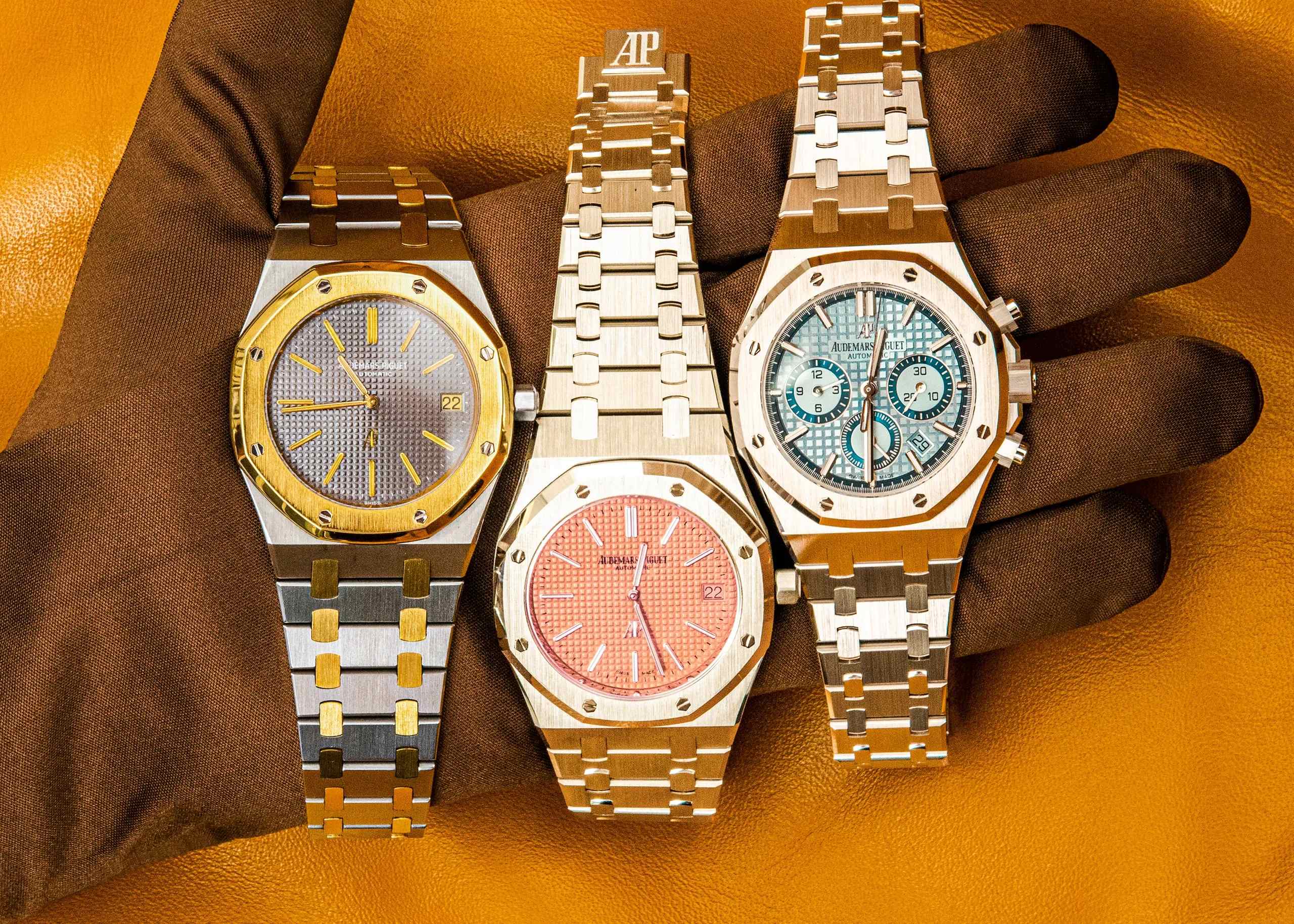
Dieser Rückgang um fast 10 Prozentpunkte signalisiert keinen sinkenden Wert der Rolex-Uhren. Vielmehr deutet er auf eine reifere und diversifiziertere Sammlerbasis hin. Da sich die Rolex-Preise auf einem hohen Niveau stabilisiert haben, suchen versierte Käufer zunehmend nach Alternativen mit ähnlichem Wert und Interesse an Uhren anderer Luxusmarken wie Omega , Cartier und Patek Philippe . Gleichzeitig haben die Lockerungen der Beschränkungen auf dem Primärmarkt die Wartezeiten für wichtige Rolex-Modelle verkürzt – so hat sich beispielsweise die Wartezeit für eine Submariner Berichten zufolge von 105 auf 60 Tage halbiert. Diese verbesserte Verfügbarkeit im Einzelhandel hat den immensen Druck gemildert, der die Aufschläge auf dem Sekundärmarkt einst auf unhaltbare Höhen getrieben hatte.
Der CPO-Anker: Eine stabilisierende Kraft, keine Inflationskraft.

Inmitten dieses sich abschwächenden Marktes hat sich das Rolex CPO-Programm als unbestreitbarer Erfolgsgarant erwiesen. Sein Wachstum war explosionsartig: Der Umsatz verdreifachte sich 2024 auf geschätzte 300 Millionen US-Dollar . Prognosen für 2025 deuten darauf hin, dass das Programm eine Bewertung von einer halben Milliarde US-Dollar erreichen oder sogar übertreffen könnte , mit einem Bestand von über 8.500 zertifizierten Uhren, die über mehr als 220 offizielle Verkaufsstellen vertrieben werden.
Wie lässt sich dieses phänomenale Wachstum mit fallenden Marktpreisen vereinbaren? Die Antwort liegt in der Funktionsweise des Programms . Das Rolex CPO-Programm war nie als Allheilmittel gedacht. Vielmehr fungiert es als stabilisierender Anker . Es hat erfolgreich ein Premiumsegment mit hohem Vertrauen im Markt geschaffen und einen offiziellen Maßstab für Qualität und Authentizität etabliert. Es bietet Stabilität und einen Mindestpreis für makellose, vollumfänglich garantierte Exemplare, aber es hat weder die Größe noch die Absicht, die gesamtwirtschaftliche Angebots- und Nachfragedynamik umzukehren, die den Gesamtmarkt wieder auf den Boden der Tatsachen zurückführt. Es hat einen sicheren Hafen geschaffen, kann aber nicht den gesamten Ozean beruhigen.
Der Wendepunkt für Sammler: Orientierung im neuen Rolex-Ökosystem
Die Daten zeichnen ein eindeutiges Bild: Das Rolex-CPO-Programm hat keine marktweite Preiserholung bewirkt. Vielmehr hat sein Erfolg den Markt grundlegend gespalten und eine Welt mit zwei Geschwindigkeiten geschaffen, in der offizielle Zertifizierung und freier Markt nun nebeneinander existieren. Dieses neue Ökosystem birgt sowohl Herausforderungen als auch Chancen und erfordert von Sammlern eine überlegtere und fundiertere Strategie. Die Ära, in der man auf einer einzigen, universellen Wertsteigerungswelle reiten konnte, ist vorbei; die Zukunft liegt darin, sich in den unterschiedlichen Strömungen zurechtzufinden.
Die neue Wertrechnung: Sicherheit vs. Chance

Die unmittelbarste Folge des CPO-Programms ist die Formalisierung einer zuvor impliziten Entscheidung. Sammler stehen nun vor einer klaren strategischen Entscheidung, die durch eine quantifizierbare Prämie untermauert wird.
-
Der Weg der Gewissheit (CPO): Mit einer CPO-Uhr erwerben Sie absolute Sicherheit . Für einen Aufpreis von durchschnittlich 30 % gegenüber einem vergleichbaren, nicht zertifizierten Modell erhalten Sie eine makellose Uhr, eine zweijährige internationale Werksgarantie und das eindeutige Echtheitszertifikat von Rolex. Dies ist die ultimative Risikominimierungsstrategie. Sie ist ideal für Käufer, die neben der Uhr selbst auch das Erlebnis und die Sicherheit des Rolex-Ökosystems schätzen.
-
Der Weg der Chancen (Unabhängiger Markt): Für den sachkundigen und selbstbewussten Sammler bleibt der unabhängige Markt ein attraktives Betätigungsfeld. Da der Marktanteil von Rolex sinkt und die Preise korrigieren, bieten sich zahlreiche Möglichkeiten, Stücke zu rationaleren Preisen zu erwerben. Dieser Weg erfordert Vertrauen in seriöse unabhängige Händler und ein hohes Maß an Fachwissen, belohnt den versierten Käufer aber mit einem erheblichen Wertzuwachs. Er ist der richtige Weg für diejenigen, die Zustand und Herkunft sicher beurteilen können und denen es wichtig ist, den bestmöglichen Preis zu erzielen.
Keiner der beiden Wege ist an sich überlegen; sie verfolgen lediglich unterschiedliche Prioritäten. Die größte Wirkung des CPO-Programms bestand darin, diese Wahlmöglichkeit zu verdeutlichen und dem Konzept der „Sicherheit“ einen konkreten Marktpreis zuzuweisen.
Die zukünftige Entwicklung: Ein reiferer und differenzierterer Markt

Mit Blick auf die Zukunft sind die in den letzten zwei Jahren entstandenen Trends keine vorübergehende Anomalie, sondern das Fundament einer neuen Marktstruktur. Wir können mehrere wichtige Entwicklungen erwarten:
-
Fortsetzung des CPO-Ausbaus: Rolex wird sein CPO-Netzwerk mit hoher Wahrscheinlichkeit weiter ausbauen und seine Position im gehobenen Gebrauchtuhrenmarkt weiter festigen. Dadurch wird der offizielle Vertriebskanal zu einer dominierenden Kraft für makellose, moderne Referenzen (jünger als 10–15 Jahre) und seine Rolle als Preisanker in diesem Segment weiter untermauern.
-
Der Aufstieg der Spezialisten: Die besten unabhängigen Händler werden nicht verschwinden. Im Gegenteil, sie werden durch Spezialisierung florieren. Ihre Zukunft liegt in den Nischen, in denen das CPO-Programm nicht operiert: echte Vintage-Stücke mit einzigartiger Patina, „Neo-Vintage“-Schätze aus den 1990er- und 2000er-Jahren und wettbewerbsfähige Preise, die dem Fehlen einer offiziellen Rolex-Garantie Rechnung tragen. Sie werden mit Fachkompetenz, sorgfältiger Auswahl und einem attraktiven Preis-Leistungs-Verhältnis konkurrieren.
-
Eine neue Ära der Stabilität: Die extreme Volatilität der Jahre 2020–2022 wird sich voraussichtlich nicht wiederholen. Der Mindestpreis für zertifizierte Gebrauchtuhren (CPO) bietet einen psychologischen und finanziellen Schutz vor drastischen Preisstürzen, während die allgemeine Marktkorrektur die rein spekulative Übertreibung beseitigt hat. Der Markt für gebrauchte Rolex-Uhren entwickelt sich zu etwas, das dem Markt für bildende Kunst oder Oldtimer immer ähnlicher wird: reif, differenziert und getrieben von Kennerwissen statt von Kaufrausch.
Für wahre Sammler bietet diese Neuausrichtung, auch wenn sie weniger euphorisch als der jüngste Höhepunkt ist, letztendlich ein deutlich gesünderes und nachhaltigeres Umfeld. Es ist ein Markt, der Wissen, Geduld und Leidenschaft wieder einmal am meisten belohnt – und das ist eine Zukunft, auf die sich jeder Sammler freuen kann.


Aktie:
Die große Ruhe: Wie Rationalität und Markenmacht den europäischen Uhrenmarkt im Jahr 2025 neu gestaltet haben
Der Sekundärmarkt für Luxusuhren im Jahr 2025: Eine detaillierte Analyse von zehn Schlüsselmodellen